


 Email
Email
 FR
FR  EN
EN  Search


 Home
Home

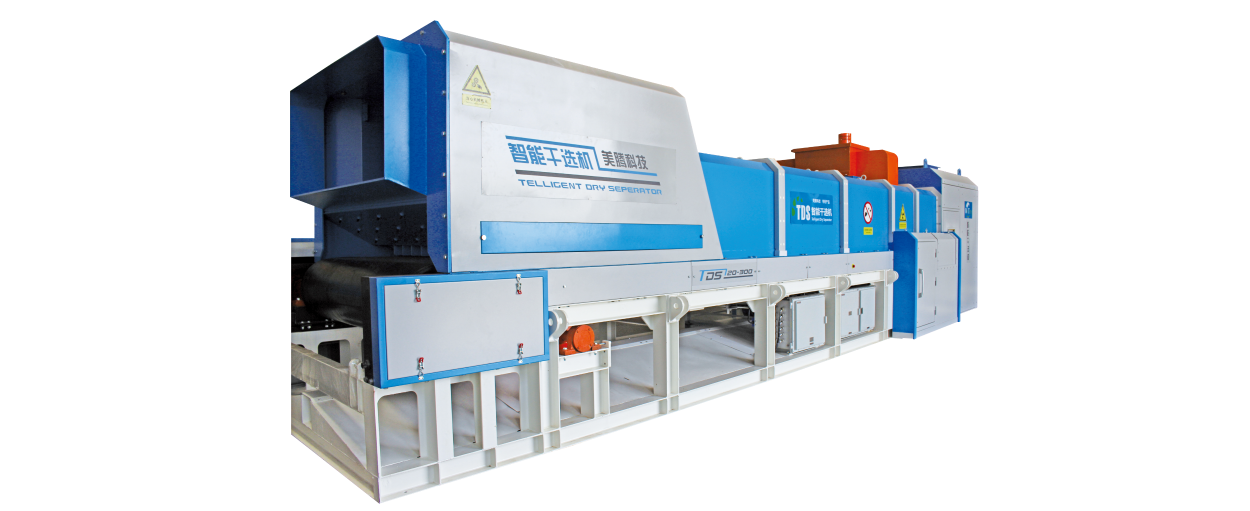
MeiTeng XRT (MDS®) sorters use a combination of X-ray, CCD image, UV light & fluorescence recognition and deep learning algorithms to accurately identify and sort valuable ore from raw ore or waste rock—-All without water.
XRT(MDS®) sorting system consists of several key modules: feeding, distributing, recognition, and execution, supported by auxiliary systems such as air supply, dust removal, power distribution, and centralized control. Using AI-powered recognition methods tailored to different mineral characteristics, we can provide adaptive sorting solutions. It accurately distinguishes between valuable concentrate and waste rock, and efficiently ejects impurities via intelligent execution mechanisms.
1.Feeding and Material Stabilization
Raw mineral is feeded by a vibrating feeder and spread as a thin, even layer onto a fast-moving conveyor belt. This stable material flow ensures that each particle is clearly exposed and can be individually analyzed, providing the basis for accurate detection.
2. Identification and Analysis
As material passes through the detection zone, it is scanned by an advanced X-ray transmission system and CCD imaging. Each particle’s density, composition, and thickness are captured in real time. Proprietary big-data algorithms then classify concentrate and waste by generating an intelligent recognition model, ensuring high sorting accuracy.
3. Intelligent Sorting Execution
Classification results are instantly transmitted to the high-speed air ejection system. Using precise, low-energy solenoid valves, the system separates waste from valuable minerals. Depending on operational needs, XRT (MDS®) can perform comprehensive solutions for advanced mineral pre-sorting.
4. Auxiliary System Integration
4.To ensure stable and sustainable operation, XRT(MDS®) integrates auxiliary systems including air supply, dust removal, power distribution, and centralized control. These systems maintain clean working conditions, reliable power, and highly automated operation, ensuring long-term stability and efficiency.
-
Mineral Pre-Discharging
A.Decrease the amount of waste entering crushing, grinding, and flotation processes, significantly lowering processing costs.
B. Reduce tailings volume, lowers disposal costs, allows waste rock recycling, and extends the lifespan of tailing facilities.
C. Minimize water usage and chemical consumption in the processing plant, further reducing operational expenses (OPEX).
-
Improve the capacity and modernization of existing processing plants
A.Reduce waste rock before material entering the processing plant, boost plant capacity, and lower cost per ton without equipment upgrades or replacements.
B.Sensor-based ore sorting reduces the volume of fine tailings generated per ton of product, easing pressure on tailings facilities which will help with safer tailing management.This is especially valuable for existing operations with limited storage capacity or challenges in extending dam licenses.
-
Increase the value and recovery of low-grade ore
Traditional methods struggle with very low-grade ores due to high costs and low efficiency.Sensor-based sorting can precisely separate ore from waste by using differences in color, texture and density. Even when valuable minerals are present in tiny amounts, the system can still detect and recover them with high accuracy.
-
Recover valuable minerals from waste rock and tailings
Sensor-based sorting scans and selects individual particles from waste rock and tailings, recovering valuable minerals that traditional bulk methods miss. SBS turns waste into saleable concentrate while shrinking tailings and reducing processing costs.
-
Challenging Mining Environments
A. Remote or Water-Scarce Regions: Dry processing eliminates water usage, ideal for arid areas or sites with limited water resources.
B.High-Altitude or Extreme Climates: Operates reliably in harsh conditions due to robust design and closed-loop systems.
-
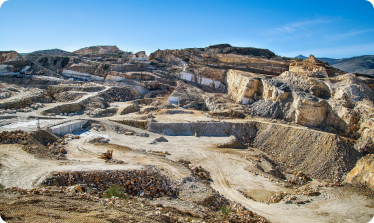 Non-ferrous metal
Lead-Zinc, Copper, Tungsten, Bauxite, Vanadium, Antimony, Tin, Nickel, etc.
Expand
-
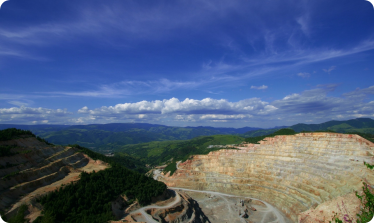 Ferrous metal
Iron, Manganese, Chrome etc.
Expand
-
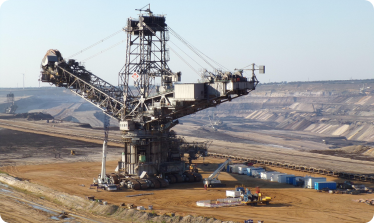 Non-metallic and chemical
Fluorite, Phosphate, Silica, Kaolinite, Oil Shale, etc.
Expand
-
Environment-friendly and Eco-sustainableWithout water and chemicals consumption, by leveraging innovative technologies to reduce the environmental and ecological impact of the mining industry.
-
High Sorting Accuracy
Significantly higher accuracy compared with traditional jigging and other wet process technology.
-
Efficiency Improvement
High processing capacity, simple system, significantly improving the production efficiency of the beneficiation system
-
Low Energy Consumption
Dry process with an optimized system design can reduce power usage significantly compared with the traditianal multi-stage crushing, grinding and flotation process technology.
-
Low Operating & Maintenance Cost
OPEX is lowered by a simplified layout, a reduced quantity of machines, and an easier maintenance.
-
High System Stability
Our reliable design ensures a long-term, consistent performance.
-
Compact Footprint
Has a smaller footprint compared to traditional benificiation systems.
-
Flexible & Versatile Application Scenarios
In-building, open air, underground and mobile & semi-mobile style, provide flexible solutions suitable for different application scenarios.
-
AI-Powered Control
Advanced recognition and big-data analytics deliver stable, reliable results
-
High Adaptability – Data and Algorithms Cover Multifarious Mineral Types
With more than a decade of application experience, XRT & MDS® has accumulated a vast amount of data and algorithms, and has successfully been applied to various mineral types and a wide range of typical operating conditions.
| Series | Category | Model | Feeding Size (mm) | Nominal Capacity (t/h) |
|---|---|---|---|---|
| Standard Series | Large Lump | XRT (IXS1608BP500)-12-300 | 300-50 | 140 |
| XRT (IXS1608BP500)-16-300 | 192 | |||
| XRT (IXS1608BP500)-20-300 | 243 | |||
| XRT (IXS1608BP500)-24-300 | 280 | |||
| XRT (IXS1608BP500)-32-300 | 384 | |||
| XRT (IXS1608BP500)-40-300 | 486 | |||
| Medium Lump | XRT (IXS1608BP500)-12-100 | 100-25 | 84 | |
| XRT (IXS1608BP500)-16-100 | 114 | |||
| XRT (IXS1608BP500)-20-100 | 144 | |||
| XRT (IXS1608BP500)-24-100 | 168 | |||
| XRT (IXS1608BP500)-32-100 | 228 | |||
| XRT (IXS1608BP500)-40-100 | 288 | |||
| Small Lump | XRT (IXS1608BP500)-12-60 | Dec-60 | 35 | |
| XRT (IXS1608BP500)-16-60 | 48 | |||
| XRT (IXS1608BP500)-16-60 | 60 | |||
| XRT(IXS1608BP500)-24-60 | 70 | |||
| XRT (IXS1608BP500)-32-60 | 96 | |||
| XRT (IXS1608BP500)-40-60 | 120 | |||
| H Series | Large Lump | XRT(IXS1608BP500)-H280-300 | 300-50 | 280 |
| XRT (IXS1608BP500)-H380-300 | 380 | |||
| XRT(IXS1608BP500)-H480-300 | 480 | |||
| XRT(IXS1608BP500)-H580-300 | 580 | |||
| Medium Lump | XRT (IXS1608BP500)-H125-100 | 100-25 | 125 | |
| XRT (IXS1608BP500)-H210-100 | 210 | |||
| TDS(IXS160BP500)-H170-100 | 170 | |||
| XRT (IXS1608BP500)-H260-100 | 260 | |||
| Small Lump | XRT (IXS1608BP500)-H050-60 | Oct-60 | 50 | |
| XRT (IXS1608BP500)-H070-60 | 70 | |||
| XRT (IXS1608BP500)-H090-60 | 90 | |||
| XRT (IXS1608BP500)-H110-60 | 110 |
Note:
1.The processing capacity of the equipment is related to the actual density of the minerals. The selection coefficients for different mineral types are as follows:
(1)Selection coefficient 1.0 applies to: phosphate ore, vanadium ore, kaolin rock, molybdenum ore, copper ore, copper-zinc ore, tungsten ore, tin ore, antimony ore, gold ore, nickel ore, calcite, quartz stone, and limestone
(2)Selection coefficient 1.1 applies to: fluorite ore and manganese ore.
(3) Selection coefficient 1.2 applies to: lead-zinc ore, iron ore, and barite.
Example:
Mineral type: Iron ore
Equipment model: XRT(IXS160BP500)-H280-300-Fe
Maximum processing capacity = 280*1.2 = 336 t/h
The table lists standard models and their processing capacities. For other processing requirements, please consult our product technical team.
XRT Layout and Dimension & Weight Specification Sheet
| Series | Category | Model | L(mm) | W(mm) | H(mm) | Wight(kg) |
|---|---|---|---|---|---|---|
| Standard Series | Large Lump | XRT (IXS1608BP500)-12-300 | ||||
| XRT (IXS1608BP500)-16-300 | ||||||
| XRT (IXS1608BP500)-20-300 | ||||||
| XRT (IXS1608BP500)-24-300 | ||||||
| XRT (IXS1608BP500)-32-300 | ||||||
| XRT (IXS1608BP500)-40-300 | ||||||
| Medium Lump | XRT (IXS1608BP500)-12-100 | |||||
| XRT (IXS1608BP500)-16-100 | ||||||
| XRT (IXS1608BP500)-20-100 | ||||||
| XRT (IXS1608BP500)-24-100 | ||||||
| XRT (IXS1608BP500)-32-100 | ||||||
| XRT (IXS1608BP500)-40-100 | ||||||
| Small Lump | XRT (IXS1608BP500)-12-60 | |||||
| XRT (IXS1608BP500)-16-60 | ||||||
| XRT (IXS1608BP500)-16-60 | ||||||
| XRT(IXS1608BP500)-24-60 | ||||||
| XRT (IXS1608BP500)-32-60 | ||||||
| XRT (IXS1608BP500)-40-60 | ||||||
| H Series | Large Lump | XRT(IXS1608BP500)-H280-300 | ||||
| XRT (IXS1608BP500)-H380-300 | ||||||
| XRT(IXS1608BP500)-H480-300 | ||||||
| XRT(IXS1608BP500)-H580-300 | ||||||
| Medium Lump | XRT (IXS1608BP500)-H125-100 | |||||
| XRT (IXS1608BP500)-H210-100 | ||||||
| TDS(IXS160BP500)-H170-100 | ||||||
| XRT (IXS1608BP500)-H260-100 | ||||||
| Small Lump | XRT (IXS1608BP500)-H050-60 | |||||
| XRT (IXS1608BP500)-H070-60 | ||||||
| XRT (IXS1608BP500)-H090-60 | ||||||
| XRT (IXS1608BP500)-H110-60 |
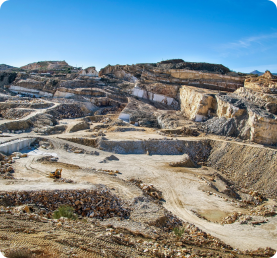
Real-time data analysis and pattern recognition to separate ore from waste. Adaptive learning improves performance as material changes.
Trusted Hardware – All key components are carefully selected and tested under harsh operating conditions to guarantee long-term reliability. Proven Software
 PRO Secondary COLOR
 PRO Secondary COLOR
PRO Secondary COLOR
PRO Secondary COLOR
PRO Secondary COLOR
PRO Secondary COLOR
 picture
 video
video

 Phone: +86 189 2096 5107
  Email: overseasmarket@tjmeiteng.com
  Head office: Building A2, No.8, Saida 6th Branch, Economic and Technological


